|
|
ParachlamydiaceaeThe hidden diversity of chlamydiaeChlamydiae have long been known as obligate intracellular bacteria which cause a wide variety of disease in animals and humans [see: Chlamydial infections]. Chlamydiae were recognised as having a very wide host range while being closely related with each other, forming a common evolutionary lineage quite distinct from all other known bacteria. However, as Figure 1 shows, this perception has changed quite dramatically in recent years as a result of three main findings:
Electron microscopic studies of these new obligate intracellular bacteria indicated that they possessed a life cycle very similar to the unique and characteristic chlamydial developmental cycle, although they have an additional crescent body growth stage associated with prolonged incubation and possibly characteristic of the Parachlamydiaceae. Elementary and crescent bodies are released into the extracellular medium within vesicles or after amoebal lysis [Greub & Raoult, 2002b]. Comparative ribosomal RNA sequence analysis identified them as being close but distinct living relatives of the previously described chlamydiae belonging to the Chlamydiaceae. However some of the differences between them suggested a hidden diversity of chlamydia-like bacteria which awaited discovery.
Simkania, Fritschea and the the Waddlia are covered in separate sections [see: Simkaniaceae, Waddliaceae]. This chapter summarises our current knowledge on chlamydia-related endosymbionts of free-living amoebae, which have been grouped into the family Parachlamydiaceae in the current official taxonomy of the Chlamydiales [Everett et al., 1999]. Free-living amoebaeFree-living amoebae (FLA) are ubiquitous and have been isolated from soil, fresh water, tap water, hydrotherapy and dental equipment, humidifiers, sewage treatment works, and even from dust and the air. FLA feed on bacteria and other micro organisms including fungi, yeasts, algae and other protozoa. They thus have an important ecological role as predators controlling microbial communities. FLA belonging to the genus Acanthamoeba are genetically diverse, comprising up to 14, 18S rDNA-based lineages [see: Corsaro et al., 2003]. Acanthamoeba can be commonly isolated from human mucosal and epithelial surfaces, being found in 13 of 140 recruits (9.3%) [Michel et al., 1982]. In humans they have been associated with infection of the surface of the eye and contact lenses leading to a severe keratitis [Matias et al., 1991]. In addition, acanthamoebae can cause a granulomatous encephalitis and even systemic infections in immuno-compromised patients [Visvesvara, 1995]. For a QuickTime video of acanthamoebae, Click here. Although acanthamoebae trophozoites feed on other micro organisms, several bacteria are able to survive ingestion to multiply within the amoebal cell, see Table 1. Intracellular replication in FLA is particularly well studied in the case of the respiratory pathogen Legionella pneumophila. It has been suggested that only the prior multiplication in FLA and the subsequent aspiration of vesicles filled with L. pneumophila leads to the development of Legionnaire’s disease in susceptible humans [Harb et al., 2000]. For a review of Acanthamoebae in the pathogenesis of human disease see: Marciano-Cabral & Cabral, 2003.
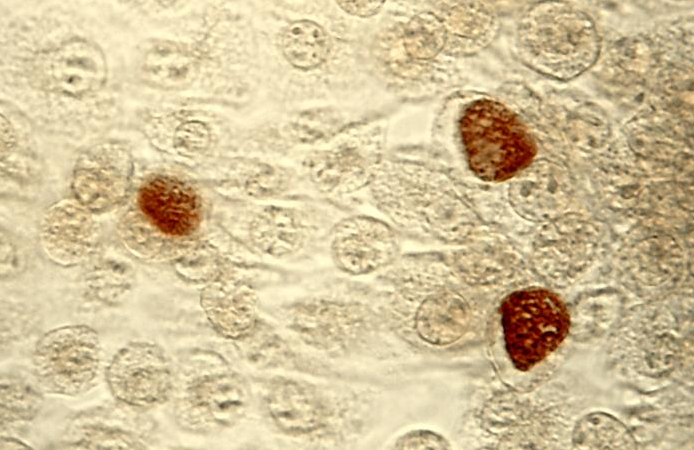
In addition to transient associations of acanthamoebae and bacteria, around 25% of all investigated Acanthamoeba isolates were found to be colonised with obligate intracellular bacterial symbionts (Fritsche et al., 1993). Several of these endosymbionts, which had a rod-shaped morphology, were identified as novel Alphaproteobacteria most closely related to the rickettsiae [Fritsche et al., 1999; Horn et al., 1999; Birtles et al., 2000]. Others were identified as novel Betaproteobacteria [Horn et al., 2002] or as novel members of the Bacteroidetes [Horn et al., 2001]. However, some endosymbionts of FLA were coccoid-shaped and have turned out to represent previously unrecognized chlamydia-related bacteria. Parachlamydia acanthamoebaeAmong Michel's nasal Acanthamoeba isolates were two strains Bn9 and Berg17, which were colonised with bacteria showing a chlamydia-like morphology [Michel et al., 1994]. Similar Gram positive chlamydia-like particles (the Hall's coccus; Figures 3 and 4) were also identified in Acanthamoeba trophozoites from humans in an outbreak of humidifier fever in Vermont, in the USA [Lewis et al., 1990]. In a key paper, Amann et al., 1997 demonstrated, by nucleotide sequencing of the 16S rRNA gene, that the bacterial endosymbiont from Bn9 was more closely related to the chlamydiae than to other bacteria, proposing the organism as "Candidatus Parachlamydia acanthamoebae", with the type strain Bn9T and Berg17 a further isolate (Figure 5). Subsequently in the reclassification of the Chlamydiales[ Everett et al., 1999] P. acanthamoebae was placed in a new family, the Parachlamydiaceae. P. acanthamoebae have variable Gram staining characteristics and it was noted that they can be grown in Vero cells (although no data was provided for this observation), growing best at moderate temperatures (> 25°C). P. acanthamoebae can be specifically detected with the rRNA-targeted oligonucleotide probe Bn9658 (5'-TCCGTTTTCTCCGCCTAC-3'; [see: Fluorescence in situ hybridization for the Chlamydiales]). Parachlamydiae are antigenically and morphologically distinct from the Chlamydiaceae and several phylotypes are known to exist [Corsaro et al., 2003]. Protochlamydia amoebophilaUWE25 is a Gram negative, parachlamydia-like organism, capable of replicating in Acanthamoeba sp and Dictyostelium discoideum, and belonging to the Parachlamydiaceae. Previously referred to as "Parachlamydia-related strain UWE25" the organism differs in growth habit from Parachlamydia sp in forming only small inclusions containing just a few bacteria. The first member of the family Parachlamydiaceae to have its genome sequenced, this organism has now been reclassified within the Parachlamydiaceae as 'Candidatus Protochlamydia amoebophila' [Collingro et al., 2005]. Taxonomic description" ‘Candidatus Protochlamydia amoebophila’ (Pro.to.chla.my'di.a. Gr. adj. protos first, foremost; N.L. fem. n. Chlamydia taxonomic name of a bacterial genus; N.L. fem. n. Protochlamydia referring to the similarity of these bacteria to the chlamydial ancestor; a.moe'bo.phi.la. N.L. n. amoeba an amoeba; Gr. adj. philos loving; N.L. fem. adj. amoebophila loving amoebae, referring to the intracellular lifestyle within amoebae). Phylogenetic position: phylum ‘Chlamydiae’, order Chlamydiales, family Parachlamydiaceae. ‘Candidatus Protochlamydia amoebophila’ represents a novel genus within the family Parachlamydiaceae. Other members of this tentative genus should have 16S rRNA genes with >95 % identity to the 16S rRNA gene of ‘Candidatus Protochlamydia amoebophila’. Coccoid Gram-negative reticulate bodies and elementary bodies,
0·5–1·0 µm in diameter. Not cultivable on cell-free media. Obligately
intracellular symbiont of Acanthamoeba spp. surrounded by
vacuolar membranes and dispersed in the host cell cytoplasm,
occasionally in small clusters or morulae. Basis of assignment: 16S
rRNA, 23S rRNA and RNase P RNA (GenBank accession no. AJ748539)
genes, and complete genome sequence (genome size 2 414 465 bp;
overall G+C content 35·8 mol%; GenBank accession number BX908798)
(Horn et al., 2004 Protochlamydia naegleriophila and pneumoniaA chlamydial-like endosymbiont (KNic) of Naegleria amoeba was described by Michel et al., 2000. The endosymbiont inhibited cyst formation by the Naegleria, but not its transformation to the flagellate stage. Casson et al., 2008 grew large amounts of KNic in Acanthamoeba castellanii, permitting phenotypic, genetic and phylogenetic analysis. This supported the organism being classified as a new member of the Protochlamydia, 'Candidatus Protochlamydia naegleriophila'. Taxonomic description"(Candidatus) Protochlamydia naegleriophila (nae.gle.rio“.phi.la Gr. fem.n. Naegleria, name of host cell, Gr. adj. philos, -a friendly to, referring to intracellular growth of Protochlamydia naegleriophila strain KNic within Naegleria amebae). The 16Sr RNA sequence (DQ635609) of KNic is 97.6% similar to that of P. amoebophila, making this organism a member of the genus Protochlamydia. KNic does not grow on axenic media but grows by 4 logarithms in 60 h within A. castellanii. KNic exhibits a Chlamydia-like developmental cycle, with reticulate, elementary, and crescent bodies. The reticulate body is about 900 nm and has a spiny appearance similar to that of P. amoebophila. To be classified within the Pr. naegleriophila species, a new strain should show a 16Sr RNA similarity >98.5% and similar phenotypic traits". Association with pneumoniaAs other members of the Parachlamydiaceae have been associated with human respiratory tract infections [Greub et al., 2003a & 2003c], a diagnostic PCR for P. naegleriophila was developed using primers PrF (5“-CGGTAATACGGAGGGTGCAAG-3“) and PrR (5“-TGTTCCGAGGTTGAGCCTC-3“) as well as probe PrS (5“-TCTGACTGACACCCCCGCCTACG-3“). This PCR was applied to the 134 bronchoalveolar lavages from 65 patients with, and 69 patients without, pneumonia. One positive sample was identified from an immuno- compromised patient with cough, dyspnoea and a lung infiltrate. The result was confirmed using a different PCR and the presence of Protochlamydia antigen was detected with rabbit polyclonal antiserum to KNic. No other microbial pathogen was detected in the patient's lavage. PCRs for L. pneumophila, C. pneumoniae and M. pneumoniae were all negative [Casson et al., 2008]. Thus, in this compromised patient, Protochlamydia naegleriophila was associated with the observed respiratory symptoms. Further studies are indicated in a wider range of patients. [Casson et al., 2008; Greub et al., 2003a & 2003c]. For further associations of parachlamydiae with pneumonia, see below.
Neochlamydia hartmannellaeIn 1995, Michel and colleagues working in Koblenz, Germany, isolated a free-living amoeba Hartmannella vermiformis from the water conduit system of a dental care unit at Lahnstein. This amoeba was found to be infected with the bacterial endosymbiont A1Hsp, which was shown by electron microscopy to be a chlamydial-like agent. In 1998 an axenic culture of the endosymbiont was provided to the Wagner / Horn group in Munich for 16SrRNA sequencing and phylogeny studies, resulting in the description of a new parachlamydial species, Neochlamydia hartmannellae [Horn et al., 2000]. Infection of amoebae with the endosymbiont prevented the formation of protozoal cysts and triggered host-cell lysis. These chlamydiae were not capable of propagating within other closely related free-living amoebae, but they were able to infect the distantly related aggregative amoeba species Dictyostelium discoideum. Infection of Dictyostelium discoideum is achieved without disturbing aggregation, stalk and fruiting body formation [Horn et al., 2000]. Nucleotide sequencing of the gene encoding the 16S rRNA confirmed that these organisms were affiliated to the Parachlamydiaceae (Figure 5) while electron microscopy showed that the Hartmannella endosymbionts had a characteristic chlamydia-like life-cycle with the important exception that, unlike P. acanthamoebae, they did not reside within a vacuole (Figure 6). Accordingly they were classified as Neochlamydia hartmannellae gen. nov., sp. nov., in the family Parachlamydiaceae [Horn et al., 2000]. N. hartmannellae can be specifically detected with the rRNA-targeted oligonucleotide probe S-*-ParaC-0658-a-A-18 (5'- TCCATTTTCTCCGTCTAC -3'; [see: Fluorescence in situ hybridization for the Chlamydiales]. Electron microscopic evidence for the existence of a Neochlamydia hartmannellae-specific bacteriophage was reported by Schmid et al., 2001.
Taxonomic description of Neochlamydia gen. nov.Neochlamydia (Ne.o.chla.my’di.a L. fem. n.; Neochlamydia referring to the modest phylogenetic relationship to the Chlamydiaceae). Phylogenetic position: order Chlamydiales, family Parachlamydiaceae. Members of the genus Neochlamydia should have a 16S rDNA that is >95% identical to the 16S rDNA of the type species, Neochlamydia hartmannellae strain A1Hsp; [Horn et al., 2000]. Taxonomic description of Neochlamydia hartmannellae sp. nov. Neochlamydia hartmannellae (hart’mann.el.lae. L. gen. sing. n. of Hartmannella, taxonomic name of a genus of Hartmannellidae; pertaining to the name of the host amoeba, Hartmannella vermiformis strain A1Hsp, in which the organism was first discovered). Gram-negative reticulate bodies and Gram-negative elementary bodies; coccoid morphology; 0·4–0·6 µm in diameter. Basis of assignment: 16S rDNA sequence accession number AF177275, nucleotide probe S-S-ParaC-0658-a-A-18 (5'-TCCATTTTCTCCGTCTAC-3'). Not cultivated on cell-free media; obligate intracytoplasmatic parasite of H. vermiformis strain A1Hsp and other H. vermiformis strains, therein preventing cyst formation. Host range: able to multiply in D. discoidum, but not in Acanthamoeba spp.; mesophilic (20–30 °C). Isolated from the water conduit system of a dental unit (Lahnstein, Germany). Type strain, A1Hsp (=ATCC 50802) [Horn et al., 2000]. N. hartmanellae and ocular disease in catsIn an investigation of ocular disease in cats, DNA was extracted from 226 conjunctival samples from cats with clinically diagnosed keratitis or conjunctivitis and from 30 healthy cats. PCR for the 16S rRNA gene specific for the order Chlamydiales plus a species-specific PCR for the known chlamydial agent of feline keratoconjunctivitis, Chlamydophila felis (based on 23S rRNA gene) were performed. Seventy-four conjunctival samples were prepared with Romanowsky-type stain, grouped on the basis of inflammatory pattern, and screened for chlamydial inclusions by immunohistology. Clinical information and feline herpes virus-1 status were also recorded. Not surprisingly, 26 (12%) specimens were positive for Chlamydophila felis. However, quite unexpectedly, a further 88 (39%) were positive for chlamydial DNA which was not Chlamydophila felis. 16S rRNA gene sequences showed that the unknown DNA was 99% homologous to the comparable sequence for N. hartmannellae. As would be expected, chlamydial prevalence was significantly higher in cats with ocular disease. Although Koch's postulates have yet to be fully satisfied, these results suggest that N. hartmanellae may be a significant cause of ocular disease in cats [von Bomard et al., 2003]. Neochlamydia and epitheliocystis in fishNeochlamydia-like agents have also been associated with epitheliocystis and inflammatory gill disease in Arctic Charr [Draghi et al., 2007]; see epitheliocystis. [MEW Comment March 30th 2008: I appreciate helpful information received from Dr Rolf Michel while updating the Neochlamydia section]. The diversity of environmental chlamydiaeIt seems likely that within the Chlamydiales a wide range of environmental chlamydiae occur, forming a large, environmental reservoir of undefined potential for human disease. In a survey of bacterial endosymbionts of Acanthamoeba spp., Fritsche et al., 2000 identified four chlamydia-like organisms involving 5% of the amoebae examined. One of these endosymbionts was found stably infecting an amoeba from a case of amoebic keratitis in North America. The other three were recovered in acanthamoebae from environmental sources. Analyses of nearly full-length 16S rRNA gene sequences of these isolates showed that they clustered with other members of the order Chlamydiales but in a lineage separate from those of the genera Chlamydia, Chlamydophila, Simkania, and Waddlia (16S rRNA sequence similarities <88%). While the 16S rRNA sequence similarity of all four isolates to Parachlamydia acanthamoebae was fairly low (91.2 to 93.1%), two of the investigated chlamydia-like symbionts were more closely related to Neochlamydia acanthamoebae (96.5% and 97.1%). With sequence similarities to each other of 91.4 to 99.4%, it was postulated these four isolates might represent three distinct species and, perhaps, new genera within the Parachlamydiaceae (Figure 5). Nucleotide probes targeted to 16S rRNA genes suggested there were two separate phylogenetic lineages among these isolates (Figure 7).
Morphological evidence for additional diversity of chlamydiae was reported by Michel and co-workers who found a peculiar chlamydia-like bacterium as a spontaneous infection of an Acanthamoeba castellanii laboratory culture [Michel et al., 2001]. This isolate, named "K-cont", was unusually large in size, measuring between 1.0-1.2 µm in diameter (compared to the 0.4-0.6 µm of other chlamydia-related symbionts of amoebae, Figure 8).
The descriptions of novel chlamydia-related bacteria initiated several molecular diversity surveys using specific PCR assays for the amplification of chlamydia-like rRNA genes from a variety of different environmental and clinical specimens (Table 2). This is reviewed in detail by Corsaro et al., 2003. As an example, the application of such a PCR assay on activated sludge samples from a waste water treatment plant (connected to a rendering plant) identified a number of novel, chlamydia-like rRNA gene sequences[Horn & Wagner, 2001]. The study revealed the existence of at least four additional, previously unknown evolutionary lineages of chlamydiae, each of which showed less than 92% 16S rRNA sequence similarity with previously recognized members of the order Chlamydiales (Figure 5). The authors proposed the term environmental chlamydiae to separate the novel chlamydia-related bacteria (including the amoeba endosymbionts described previously) from the Chlamydiaceae. It was suggested that waste water treatment plants are reservoirs for a diverse collection of environmental chlamydiae, with possible implications for human public health.
That the Chlamydiales may have yet unknown diversity is also suggested by the work of Ossewaarde & Meijer, 1999, who used a 16S rRNA-targeted "Chlamydiales-specific" PCR to probe several clinical samples. Four 16S rRNA gene sequence fragments were identified which were phylogenetically distinct from, but most similar to, other chlamydial rRNA genes. In a consecutive study the same group amplified over a hundred short chlamydia-like 16S rRNA gene fragments from human cervical smear and aqueous humour samples, and from a variety of tissue specimens from chicken, fish, cat, pig, a crocodile and a snake [Meijer & Ossewaarde, 2002; Table 2; see: Chlamydiales diversity]. The authors also reported on several chlamydia-like sequences recovered from distilled water, commercial phosphate buffered saline, and DNA isolation and PCR controls. The obvious high sensitivity of the PCR assay used (which might be a consequence of the small size of the target DNA of about 200 bp) clearly raises the question of the origin of the amplified DNA, but nevertheless demonstrates the existence of these genes in nature. While the very limited length of these 16S rRNA gene fragments does not permit an unambiguous phylogenetic analysis, the degree of dissimilarity of the rRNA gene sequences detected in these two studies clearly demonstrates the existence of largely unexplored Chlamydiales diversity. More novel chlamydia-related 16S rRNA gene sequences were detected by Corsaro and co-workers in clinical specimens and fresh water samples using a "pan-chlamydia" PCR [Corsaro et al., 2001; Corsaro et al., 2002a; Corsaro et al., 2002b; Corsaro et al., 2003]. In addition, the public sequence databases Genbank and EMBL contain further rRNA sequences originating from animal specimens (turtles) and diverse environmental habitats (e.g. groundwater and marine sediments; see: Table 2; Figure 5). The PCR-based detection of chlamydia-like rRNA genes, however, has the disadvantage that it allows no conclusion on the origin of the bacteria and their localisation in the specimens investigated. Taking into account that most isolated environmental chlamydiae grow intracellularly within amoebae, and that S. negevensis and C. pneumoniae also multiply efficiently within acanthamoebae [Kahane et al., 2001; Essig et al., 1997], it seems likely that many of the rRNA gene sequences detected in these studies represent environmental chlamydiae naturally thriving in free living amoebae or other protozoa. In summary there is strong molecular evidence for a huge, previously underestimated diversity of chlamydiae. In the light of these data, classification of all novel non Chlamydiaceae within the order Chlamydiales should be regarded as tentative until further isolates of (environmental) chlamydiae have been characterised both biologically and genetically. CriblamydiaceaeThe organism Criblamydia sequanensis is placed here because it is an environmental chlamydial isolate, but is considered to belong to a separate family, the Criblamydiaceae, which awaits formal taxonomic approval. Thomas et al., (2006) isolated two chlamydia-like strains from eight samples of river water by co-cultivation in A. castellani. The first strain was a new Parachlamydia acanthamoebae strain that differed from previously described isolates by only two bases in the complete 16S rRNA gene sequence. The second isolate, C. sequanensis form the river Seine, was considered to be the first representative of a new Chlamydiales family, as demonstrated by genetic and phylogenetic analyses of the 16S rRNA, 23S rRNA, ADP/ATP translocase and RnpB encoding genes. Using fluorescent in situ hybridization and electron microscopy, they demonstrated that it grows in high numbers in amoebae, where it exhibits a Chlamydia-like bimorphic developmental cycle with reticulate bodies and star-like elementary bodies, the latter like those of the Rhabdochlamydia. Based on these results, they proposed that this be considered a new species 'Criblamydia sequanensis' [Thomas et al., 2006] because its 16S rRNA sequence homology was less than 90% with all (>150) rRNA sequences for other Chlamydiales species deposited in the Ribosomal Database Project. The Crib part of the genus name is derived from CRIB, initials for the Centre for Research on Intracellular Bacteria, in Lausanne, Switzerland. Type species is C. sequanensis CRIB-18. The developmental cycle of environmental chlamydiaeThe first description of the developmental cycle of environmental chlamydiae was reported by Michel and co-workers several years before their identification as chlamydiae [Michel et al., 1994]. Using light microscopy, transmission and scanning electron microscopy, this group showed that amoebae can be infected by "round or crescent-shaped coccoidal bacteria .... enveloped by a thick cell wall [whose] granular interior contains an electron dense mass". Phagocytosis of these bacteria (that resemble the chlamydial elementary bodies) by amoebae lead to heavily infected trophozoites, which rounded up, became immobilised and finally ruptured releasing numerous infectious, coccoid, bacteria. These findings were substantiated by three follow-up studies that (i) differentiated reticulate bodies undergoing binary fission from the infectious elementary bodies; (ii) showed that elementary bodies can be expelled by the amoeba host in the absence of lysis; and (iii) described these bacteria as Parachlamydia acanthamoebae Bn9 [Amann et al., 1997a; Amann et al., 1997b; Michel et al., 1998]. The life cycle of Neochlamydia hartmannellae resembles the developmental cycle of P. acanthamoebae, also showing dividing reticulate bodies and condensed elementary bodies able to infect amoebae [Horn et al., 2000]. However, in contrast to P. acanthamoebae, no membrane surrounding the intracellular bacteria (i.e. analogous to the inclusion membrane of classical chlamydiae) was detected. Infection of amoebae with N. hartmannellae led to lysis of the host cell after 3-5 days [Horn et al., 2000]. In a recent transmission electron microscopy study, the life cycle of two P. acanthamoebae strains, Bn9 and "Hall’s coccus" (which share an almost identical 16S rRNA gene sequence) was analysed in more detail [Greub & Raoult, 2002]. This study confirmed the previous descriptions of the existence of a chlamydial-like developmental cycle and provided additional details suggesting that phagocytosis of elementary bodies takes place in less than 8 hours leading to lysis of the amoeba host within less than 144 hours. In this paper a third developmental stage of P. acanthamoeba was proposed and named the "crescent body". This crescent-shaped morphology was mainly observed outside amoebae and it was suggested that "crescent bodies" (like elementary bodies) are infectious forms of P. acanthamoebae. Previous reports, however, demonstrated that the osmotic stress induced by the standard fixation technique used for electron microscopy causes the formation of crescent-shaped particles from otherwise coccoid-shaped bacteria [Lindsay 1995; also see: Figure 9]. Since these experiments (performed with Gemmata obscuriglobus, a species belonging to the Planctomycetes, a sister taxon of the chlamydiae) resulted in the formation of morphological structures highly similar to the "crescent bodies" of P. acanthamoebae, the existence of this putative "third developmental stage" needs to be evaluated carefully in future studies using alternative fixation methods.
While infection of amoebae with P. amoebophila or Neochlamydia hartmannellae inhibited the formation of amoebal cysts (Amann et al., 1997a; Horn et al., 2000), other environmental chlamydiae did not seem to interfere with the encystment of their host cell and could also be detected within Acanthamoeba cysts (Fritsche et al., 2000). This suggests that transmission of environmental chlamydiae occurs both horizontally and vertically. A schematic diagram of the developmental cycle of environmental chlamydiae summarising the currently available data is shown in Figure 10.
Detailed analysis of the developmental cycle of Simkania negevensis revealed that both main developmental stages (elementary and reticulate bodies) are infectious forms of Simkania, a finding which is in striking contrast to other chlamydiae, where only elementary bodies are able to infect new host cells [Kahane et al., 2002]. Whether this holds true for members of the Parachlamydiaceae remains to be investigated. Interaction with host cellsEnvironmental chlamydiae have been described both as parasites and as symbionts, indicating that the effect of the infection with these organisms varies between different isolates and is largely dependent on the host cell and on the environmental conditions (e.g. temperature, culture medium). Under good environmental conditions, when the multiplication of the Acanthamoeba host cells balanced that of P. acanthamoebae, a stable host-parasite relationship results. However when the amoebal growth rate is reduced, P. acanthamoebae isolates Bn9 and Berg17 kill their host cells. Stable endosymbiosis of acanthamoebae with these isolates was not observed in vitro, although it might occur in nature [Amann et al., 1997]. This is in contrast to the observations of Fritsche and co-workers who described several P. acanthamoebae-related environmental parachlamydia isolates which co-exist with their Acanthamoeba host cells under laboratory conditions for several years [Fritsche et al., 2000]. These parachlamydiae were also found inside Acanthamoeba cysts, suggesting a close association between the intracellular bacteria and their eukaryotic host cells. In order to investigate the role of environmental chlamydiae on amoebic pathogenesis Fritsche and co-workers compared the cytopathic effect of Acanthamoeba host cells with and without chlamydia symbionts on fibroblast cell cultures [Fritsche et al., 1998]. In this study, infection with environmental chlamydiae led to a significantly faster effacement of the fibroblast monolayer by the amoeba host cells (within 3 days compared to 10 days for the same amoeba strain without chlamydiae). The authors concluded that bacterial endosymbionts are able to enhance amoebic pathogenic potential in vitro by some as-yet unknown mechanism. Parachlamydia acanthamoeba is either endosymbiotic or lytic for host Acanthamoeba polyphaga dependent on incubation termperature [Greub et al., 2003b]. Host restrictionThe presence of a specific recognition system between environmental chlamydiae and their amoebal hosts was proposed by Gautom and co-workers, who observed that environmental chlamydiae strains could only be transferred to some but not all Acanthamoeba species used in cross-infection experiments [Gautom & Fritsche, 1995]. Some restrictive mechanism might be responsible for the observed narrow host range of N. hartmannellae, a parachlamydia restricted to Hartmannella and Dictyostelium hosts.N. hartmannellae - unlike P. acanthamoebae - can not infect acanthamoebae [Horn et al., 2000]. For a review of microorganisms resistant to free-living amoebae see Greub & Raoult, 2004. Clinical aspects of environmental chlamydiaeRole in pneumonia: First indications for a possible clinical significance of environmental chlamydiae were reported by Birtles et al., 1997, who investigated sera from 500 patients with community acquired pneumonia of undetermined cause by an indirect immunofluorescence assay using elementary bodies of "Hall’s coccus" as antigen (an environmental parachlamydia isolate having an almost identical 16S rRNA gene sequence to P. acanthamoebae). About 1% of the tested sera (n=650) showed increased antibody titres against "Hall’s coccus" and did not react with C. psittaci, C. pneumoniae, C. trachomatis or Acanthamoeba sp. Based on these results the authors suggested that "[Hall’s coccus] should be considered potentially pathogenic for man". The potential pathogenicity of P. acanthamoeba was corroborated by the finding that the organism is able to survive ingestion by human alveolar macrophages [Casson et al., 2006b]. In another serology-based study, Marrie et al., (2001) researched the possible importance of different amoebal bacterial endosymbionts, including P. acanthamoebae, in the pathogenesis of human respiratory tract disease. In this study, 1.6 % of ambulatory pneumonia cases (n=121) and 2.35 % of community acquired pneumonia cases (n=255) were seropositive for P. acanthamoebae antibody by indirect immunofluorescence assay, while 0 % of a healthy control population was found to be positive. This paper also reports an interesting case of human disease which may have been caused by
Parachlamydia spp. The case concerns a 21-year-old university student who was admitted to hospital with fever, abdominal pain,
nausea, vomiting, diarrhoea, pleuritic chest pain, and nonproductive cough. He also complained of a sore throat and shortness of breath.
He was acutely ill, with an erythematous rash, a fever of 38.3 °C and diffuse opacities involving both lower lobes of the lung.
He was treated with erythromycin but developed desquamation of the lips and skin of the digits, leading to consideration of a diagnosis
of adult-onset Kawasaki syndrome
Serology is not discriminating at a species level for the Parachlamydiaceae; serological cross reactivity between members of the Chlamydiales order is proportional to the level of relatedness between each species revealed by phyletic analysis of their 16SrRNA sequences [Casson et al., 2007]. Serology must therefore be treated with caution. However, there is some molecular evidence that environmental chlamydiae might be associated with respiratory disease. Several rRNA gene sequences have been amplified from clinical specimens such as nose and throat swabs, peripheral blood mononuclear cells, nasal and broncho-alveolar washings, or sputum from patients with respiratory tract infections, using PCR assays targeting signature regions of the 16S rRNA gene of chlamydiae [Ossewaarde & Meijer, 1999; Corsaro et al., 2001; Corsaro et al., 2002b; see also Table 2, Figure 5]. While these studies clearly indicated the existence of additional chlamydial diversity in human clinical samples, a clear-cut correlation between disease and the presence of environmental chlamydia rRNA gene sequences was not observed. Haider et al., 2008 used a two-step nested and semi-nested PCR targeting the 16S rRNA gene to search for the DNA of Chlamydia-like bacteria in respiratory samples from patients with community-acquired pneumonia. Of 387 cases tested, four (1.03%) tested positive if only sequences showing less than 99.9% 16S rRNA gene sequence similarity to known Chlamydiae were considered. These included for the first time Protochlamydia amoebophila, Waddlia chondrophila, and 'Candidatus Rhabdochlamydia porcellionis'-related sequences. This study extends previous findings suggesting an association of Chlamydia-like bacteria with respiratory disease, although a causal link between these microorganisms and respiratory tract infections has yet to be established. There is little doubt that environmental chlamydiae are occasional agents of pneumonia in humans, although present indications are that they are a relatively uncommon cause. This important concept of a pathogenic role for chlamydiae outside the known pathogenic family Chlamydiaceae is supported by the observations that Simkania negevensis, has been associated with acute bronchiolitis of infants [Kahane et al., 1998], with pneumonia in adults [Lieberman et al., 1997], and with exacerbation of chronic obstructive pulmonary disease [Lieberman et al., 2002], though these observations have subsequently been challenged. Further studies on the association of environmental chlamydiae with human (and veterinary?) disease are needed to clarify their role as emerging pathogens. Bovine abortion: Parachlamydia spp has been associated with bovine abortion [Borel et al., 2007] along with Waddlia chondrophila and Chlamydophila pecorum and abortus. Adverse pregnancy outcome: Baud et al., (2008) have reviewed the possible role of chlamydiae and chlamydia-like organisms in adverse pregnancy outcome, pointing out that Parachlamydia acanthamoebae is abortigenic in ruminants. Antibiotic susceptibility: In a forward-looking study, Maurin and co-workers investigated the antibiotic susceptibility of P. acanthamoebae and showed that the strains tested (Bn9) and "Hall’s coccus" with an almost identical 16S rRNA gene sequence) were susceptible to tetracyclines, macrolides, and rifampin [Maurin et al., 2002]. However there were three unexpected findings:
The authors concluded that macrolides and tetracylines, which are commonly used for treating patients with atypical pneumonia, would also be effective against P. acanthamoebae infections. These findings suggest there may be considerable metabolic and structural diversity within the Chlamydiales; It will be interesting to see, whether these findings are valid for other environmental chlamydia species.
Conclusions and outlookBefore the discovery of the obligate endosymbionts of free-living amoebae or the identification of environmental chlamydiae, studies on the interaction of amoebae with facultative intracellular bacteria, notably L. pneumophila, lead to the concept of amoebae as the "Trojan horses" of the microbial world. This concept implicitly recognised the potential importance of the bacteria-protozoa interaction for human disease [Barker & Brown, 1994]. This evolutionarily-old, bacteria-protozoa interaction might have been a driving force for the development of effective mechanisms by bacteria to survive phagocytosis by unicellular eukaryotes. This in turn may have been a first step in the evolution of intracellular bacterial pathogens of higher organisms. This view gained new momentum with the description of chlamydiae as obligate symbionts of amoebae and their possible association with respiratory infections of man. Future studies of these organsims should increase our understanding of the evolution and biology of the whole order [see: Evolutionary divergence of Chlamydiales]. A project for sequencing the whole genome of the Parachlamydia-related isolate UWE25 (now reclassified as Protochlamydia amoebophila, see Collingro et al., 2005) is now complete see: Protochlamydia genome. The widespread distribution of environmental chlamydiae, their biology and their potential to cause human or veterinary disease warrants further research. [MH] November 2002 Updated [MEW] March 2008. SEE ALSO: Chlamydiales diversity; Chlamydiales evolution; "Chlamydia like" organisms; In situ hybridization of Chlamydiales NEXT: Protochlamydia ameobophila UWE genome sequence ReferencesAmann, R., Springer, N., Schonhuber, W., Ludwig, W., Schmid,
E. N.,
Muller, K. D. & Michel, R. (1997). Obligate
intracellular bacterial parasites of acanthamoebae related to Chlamydia
spp. Applied and Environmental Microbiology 63, 115 - 121. Full
article Amann, R., Springer, N., Schönhuber, W., Ludwig, W., Schmid, E. N., Müller, K. D. & Michel R. (1997b). Coccoid obligate intracellular parasites of acanthamoebae are distantly related to the genus Chlamydia. Endocytobiosis Cell Research 12, 99 - 101. Barker, J., Brown, M.R.
(1994).
Trojan
horses of the microbial world: protozoa and the survival of bacterial pathogens
in the environment. Microbiology 140, 1253 - 1259.
Baud, D., Regan, L. & Greub, G. (2008). Emerging role of Chlamydia and Chlamydia-like organisms in adverse pregnancy outcomes. Current Opinion in Infectious Diseases Feb; 21(1): 70 - 76. Bell, D. M., Brink, E. W., Nitzkin, J. L., Wulff, H., Berkowitz, I. D., Feorino, P. M. et al ., (1981). Kawasaki syndrome: description of two outbreaks in the United States. New England Journal of Medicine 304, 1568 - 1575.Birtles, R. J., Rowbotham, T. J., Raoult, D., Harrison, T. G. (1996). Phylogenetic diversity of intra-amoebal legionellae as revealed by 16S rRNA gene sequence comparison. Microbiology 142, 3525 - 3530. Birtles, R. J., Rowbotham, T. J., Storey, C., Marrie, T.J. & Raoult, D. (1997). Chlamydia-like obligate parasite of free-living amoebae.
Lancet 349, 925 - 926.
Birtles, R. J., Rowbotham, T. J., Michel, R., Pitcher, D. G., Lascola, B., Alexiou-Daniel, S. & Raoult, D. (2000). 'Candidatus Odyssella thessalonicensis' gen. nov., sp. nov., an obligate intracellular parasite of Acanthamoeba species. International Journal of Systematic and Evolutioary Microbiology 50, 63 - 72. Borel N, Ruhl S, Casson N, Kaiser C, Pospischil A, Greub G. (2007). Parachlamydia spp. and related Chlamydia-like organisms and bovine abortion. Emerg Infect Dis. Full paper (html) Casson N, Entenza JM, Greub G. (2007). Serological cross-reactivity between different Chlamydia-like organisms. J Clin Microbiol. 45, 234 – 236. Casson N, Medico N, Bille J, Greub G. (2006). Parachlamydia acanthamoebae enters and multiplies within pneumocytes and lung fibroblasts. Microbes Infect. 8, 1294 – 1300. Casson, N., Michel, R., Muller, K-D., Aubert, J. D. & Greub, G.
(2008). Protochlamydia naegleriophila as etiologic agent of pneumonia.
Emerging Infectious Diseases 14 (1), 168.
Full paper Collingro, A., Toenshoff, E. R., Taylor, M. W., Fritsche, T. R., Wagner,
M. & Horn, M. (2006).
Candidatus
Protochlamydia amoebophila', an endosymbiont of Acanthamoeba spp.
Int J Syst Evol Microbiol. 2005 Sep;55(Pt
5):1863-6.
Full paper.
Corsaro, D., Valassina, M. & Venditti, D. (2003).
Increasing diversity within Chlamydiae. Critical Reviews
of Microbiology 29, 37 - 78.
Corsaro, D., Venditti, D., Le Faou, A., Guglielmetti, P. & Valassina, M. (2001). A new chlamydia-like 16S rDNA sequence from a clinical sample. Microbiology 147, 515 - 516. Corsaro, D., Venditti, D. & Valassina, M. (2002a). New chlamydial lineages from freshwater samples. Microbiology 148, 343 - 344. Corsaro, D., Venditti, D. & Valassina, M. (2002b).
New parachlamydial 16S rDNA phylotypes detected in human clinical samples.
Research Microbiology 153, 563 - 567.
Costa, H. S., Westcot, D. M., Ullman, D. E., Rosell, R., Brown, J. K. & Johnson, M. W. (1995). Morphological variation in Bemisia endosymbionts. Protoplasma 189, 194 - 202. Dean, A. G., Melish, M. E., Hicks, R. & White, M. E. (1982). An epidemic of Kawasaki syndrome in Hawaii. Journal of Pediatrics 100, 552 - 557. Dilbeck, P. M., Evermann, J. F., Crawford, T. B., Ward, A. C., Leathers, C. W., Holland, C.J., Mebus, C. A., Logan, L. L., Rurangirwa, F. R. & McGuire, T. C.
(1990). Isolation of a previously undescribed rickettsia from an aborted bovine fetus.
Journal
of Clinical Microbiology 28, 814 - 816.
Draghi, A. 2nd., Bebak J., Popov, V. L., Noble, A. C., Geary, S. J., West, A. B., Byrne, P. & Frasca, S Jr. (2007). Characterization of a Neochlamydia-like bacterium associated with epitheliocystis in cultured Arctic charr Salvelinus alpinus. Diseases of aquatic organisms 76(1), 27 - 38. Essig, A., Heinemann, M., Simnacher, U. & Marre, R. (1997). Infection of Acanthamoeba castellanii by Chlamydia pneumoniae. Applied and Environmental Microbiology 63, 1396 - 1399. Everett. K. D. E., Bush, R. M. & Andersen, A. A. (1999). Emended description of the order
Chlamydiales, proposal of Parachlamydiaceae fam.
nov. and Simkaniaceae fam. nov., each containing one monotypic genus, revised taxonomy of the family Chlamydiaceae, including a new genus and five new species, and standards for identification of
organisms. International Journal of Systematic and Evolutionary Microbiology
49, 415 - 440.
Fritsche, T. R., Gautom, R. K., Seyedirashti, S., Bergeron, D. L. & Lindquist, T. D. (1993). Occurrence of bacterial endosymbionts in Acanthamoeba spp. isolated from corneal and environmental specimens and contact lenses.
Journal
of Clinical Microbiology 31, 1122 - 1126.
Fritsche, T. R., Sobek, D. & Gautom, R. K. (1998). Enhancement of in vitro cytopathogenicity by
Acanthamoeba spp. following acquisition of bacterial endosymbionts.
FEMS Microbiology Letters 166, 231 - 236. Fritsche, T. R., Horn, M., Seyedirashti, S., Gautom, R. K., Schleifer, K. H. & Wagner, M. (1999). In situ detection of novel bacterial endosymbionts of Acanthamoeba spp. phylogenetically related to members of the order Rickettsiales. Applied & Environmental Microbiology 65, 206 - 212. Fritsche, T. R., Horn, M., Wagner, M., Herwig, R. P., Schleifer, K. H.
& Gautom, R. K. (2000). Phylogenetic
diversity among geographically dispersed Chlamydiales endosymbionts
recovered from clinical and environmental isolates of Acanthamoeba spp.
Applied and Environmental Microbiology 66, 2613 -
2619. Full article Greub, G., Boyadjiev, I., La Scola, B., Raoult, D. & Martin, C. (2003a). Serological hint suggesting that Parachlamydiaceae are agents of pneumonia in polytraumatized intensive care patients. Annals of the New York Academy of Sciences 990, 311 - 319. Greub, G., La Scola, B. & Raoult, D. (2003b). Parachlamydia acanthamoeba is endosymbiotic or lytic for Acanthamoeba polyphaga depending on the incubation temperature. Annals of the New York Academy of Sciences 990, 628 - 634. Greub G, Berger P, Papazian L, Raoult D. (2003c). Parachlamydiaceae as rare agents of pneumonia. Emerg Infect Dis. 2003;9:755–6. Greub, G. & Raoult, D. (2002a). Parachlamydiaceae: potential emerging pathogens. Emerging Infectious Diseases 8, 625 - 630. Full article (html) [Brief but on-line readable review].
Greub, G. & Raoult, D. (2002b). Crescent
bodies of Parachlamydia acanthamoeba and its life cycle within
Acanthamoeba polyphaga: an electron micrograph study.
Applied Environmental Microbiology 68, 3076 - 3084.
Full article
Greub, G. & Raoult, D. (2004). Microorganisms resistant to free-living amoebae. Clinical Microbiology Reviews 17, 413 - 433. Haider S, Collingro A, Walochnik J, Wagner M, Horn M. (2008). Chlamydia-like bacteria in respiratory samples of community-acquired pneumonia patients. FEMS Microbiol Lett. Feb 27 [Epub ahead of print].
Harb, O. S., Gao, L. Y. & Abu Kwaik, Y. (2000). From protozoa to mammalian cells: a new paradigm in the life cycle of intracellular bacterial pathogens.
Environmental Microbiology 2, 251 - 265.
Horn, M., Fritsche, T. R., Gautom, R. K., Schleifer, K. H. & Wagner M. (1999). Novel bacterial endosymbionts of Acanthamoeba spp. related to the Paramecium caudatum symbiont Caedibacter caryophilus. Environmental Microbiology 1, 357 - 367. Horn, M. (2001). Molecular ecology of free-living amoebae and their
bacterial endosymbionts: diversity and interactions. PhD
thesis Technical University Munich Horn, M. & Wagner, M. (2001). Evidence
for additional genus-level diversity of Chlamydiales in the environment.
FEMS Microbiology Letters 204, 71 - 74.
Horn, M., Wagner, M., Muller, K. D., Schmid, E. N., Fritsche, T. R.,
Schleifer, K. H. & Michel, R. (2000).
Neochlamydia
hartmannellae
gen. nov., sp. nov. (Parachlamydiaceae), an endoparasite of the amoeba Hartmannella
vermiformis. Microbiology 146, 1231 -
1239. Full
article Kahane., S., Gonen, R., Sayada., C., Elion, J. & Friedman, M.G. (1993). Description and partial characterization of a new Chlamydia-like microorganism.
FEMS Microbiology Letters 109, 329 - 333. Kahane, S., Greenberg, D., Friedman, M. G., Haikin, H. & Dagan R. (1998). High prevalence of "Simkania Z," a novel Chlamydia-like bacterium, in infants with acute bronchiolitis.
Journal
of Infectious Diseases 177, 1425 - 1429. Kahane, S., Dvoskin, B., Mathias, M. & Friedman, M. G. (2001). Infection of Acanthamoeba polyphaga with Simkania negevensis and S. negevensis survival within amoebal cysts. Applied & Environmental Microbiology 67, 4789 - 4795. Kahane, S., Kimmel, N., Friedman, M. G. (2002). The growth cycle of Simkania negevensis. Microbiology 148, 735 - 742. Kocan, K. M., Crawford, T. B., Dilbeck, P. M., Evermann, J. F. & McGuire, T. C. (1990). Development of a rickettsia isolated from an aborted bovine fetus. Journal of Bacteriology 172, 5949 - 5955. Lewis, D. M., Dutkiewicz, J., Sorenson, W. G., Mamolen, M. & Hall, J.
E. (1990).
Microbiological and serological studies of an outbreak of humidifier fever in a
print shop. Biodeterioration Research 3, 467-477. [Description
of the Hall coccus]. Lieberman, D., Kahane, S., Lieberman, D. & Friedman, M. G. (1997). Pneumonia with serological evidence of acute infection with the Chlamydia-like microorganism "Z". American Journal of Respiratory and Critical Care Medicine 156, 578 - 582. Lieberman, D., Dvoskin, B., Lieberman, D. V., Kahane, S. & Friedman, M. G. (2002). Serological evidence of acute infection with the Chlamydia-like microorganism Simkania negevensis (Z) in acute exacerbation of chronic obstructive pulmonary disease. European Journal of Clinical Microbiology and Infectious Disease 21, 307 - 309. Lindsay, M. R., Webb, R. I., Hosmer, H. M. & Fuerst, J. A. (1995). Effects of fixative and buffer on morphology and ultrastructure of a freshwater planctomycete, Gemmata obscuriglobus. Journal of Microbiological Methods 21, 45 - 54. Marciano-Cabral, F. & Cabral, G. (2003). Acanthamoeba species as agents of disease in humans. Clinical Microbiology Reviews 16, 273 - 307. [Useful review]. Marrie,
T. J., Raoult, D., la Scola, B., Birtles, R. J. & de Carolis, E. and the Canadian Community-Acquired Pneumonia Study Group
(2001). Legionella-Like
and Other Amoebal Pathogens as Agents of Community-Acquired Pneumonia. Emerging Infectious Diseases
7, 1026 -1028 [Link
is to full article] Matias, R., Schottelius, J., Raddatz, C. F. & Michel, R. (1991). Species
identification and characterization of an Acanthamoeba strain from human
cornea. Parasitology Research 77, 469 - 174.
Maurin, M., Bryskier, A., Raoult, D. (2002). Antibiotic susceptibilities of
Parachlamydia acanthamoeba in amoebae. Antimicrobial Agents and Chemotherapy
46, 3065 - 3067.
Meijer, A. & Ossewaarde, J. M. (2002). Description of a wider diversity within the order Chlamydiales than currently classified. pp. 13 - 16, in: Chlamydial Infections – Proceedings of the Tenth International Symposium on Human Chlamydial Infections. Eds. Schachter, J. et al. San Francisco: International Chlamydia Symposium. [See: presentation this site: chlamydiales diversity] Michel, R., Rohl, R. & Schneider, H. (1982). Isolation of free-living amoebae from nasal mucosa of healthy individuals. Zentral Bakteriol Mikrobiol Hyg [B]. 176, 155 - 159. [ In German]. Michel, R., Hauröder-Philippczyk, B., Müller, K. D. & Weishaar, I. (1992). Observations on acanthamoebae from nasal mucosa infected by obligate intracellular parasites. Zbl Bakt Hyg 325, 56. Michel, R., Hauröder-Philippczyk, B., Müller, K. D. & Weishaar, I. (1994). Acanthamoeba from human nasal mucosa infected with an obligate intracellular parasite.
European Journal of Parasitology 30, 104 - 110. Michel R., Hoffmann, R., Müller, K. D., Amann R. & Schmid E. N. (1998).
Acanthamoeben, Naeglerien und andere freilebende Amöben als natürliche Dauerproduzenten von nicht kultivierbaren
Bakterien. Mitteilungen der Österreichischen Gesellschaft für Tropenmedizin und Parasitologie
20, 85 - 92.
Michel R, Muller KD, Hauröder B, Zöller L. (2000). A coccoid bacterial parasite of Naegleria sp. (Schizopyrenida: Vahlkampfiidae) inhibits cyst formation of its host but not transformation to the flagellate stage. Acta Protozool. 39,199 – 207. Michel, R., Muller, K. D., Hoffmann, R. (2001). Enlarged Chlamydia-like organisms as spontaneous infection of Acanthamoeba castellanii. Parasitology Research 87, 248 - 251. Ossewaarde, J. M. & Meijer, A. (2001). Molecular
evidence for the existence of additional members of the order Chlamydiales.
Microbiology 145, 411 - 417. Full
article Schmid, E. N., Müller, K. D. & Michel, R. (2001). Evidence for bacteriophages within
Neochlamydia hartmannellae, an obligate endoparasitic bacterium of the free-living amoeba
Hartmannella vermiformis. Endocytobiosis Cell Research 14, 115 - 119.
Thomas, V., Casson, N. & Greub, G. (2006). Criblamydia sequanensis, a new intracellular Chlamydiales isolated from Seine river water using amoebal co-culture. Environmental Microbiology 8(12): 2125 - 2135. Full paper Visvesvara, G. S. (1995). Pathogenic and opportunistic free-living amoebae. In: Manual of clinical microbiology, pp. 1383-1390. Edited by P. R. Murray, E. J. Baron, M. A. Pfaller, F. C. Tenover & R. H. Yolken. Washington, D.C., ASM Press. von Bomhard, W., Polkinghorne, A., Lu, Z. H., Vaughan, L., Vogtlin, A.,
Zimmermann, D. R., Spiess, B. & Pospischil, A. (2003):
Detection of novel
chlamydiae in cats with ocular disease. Am J Vet Res 64,
1421-8 NEXT: Family Waddliaceae |